

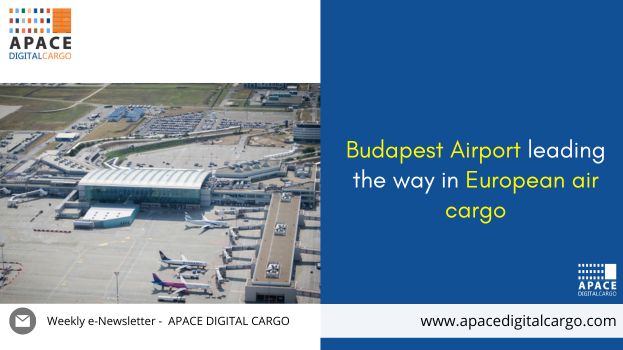
Budapest Airport is positioning itself as a key player in the European air cargo industry, with ambitions to become a major hub for Central and Eastern Europe. During the ACE 2024 Central Europe event, industry experts, stakeholders, and leaders gathered to discuss the future of logistics, emphasizing the airport’s growing role in e-commerce, navigating geopolitical challenges, and embracing digital innovation.
Francois Berisot, CEO of Budapest Airport, opened the event by highlighting the airport’s tripling of cargo volumes over the last decade and its vision to become a top air cargo hub in the region. “Budapest Airport is not just a local success but a regional leader in air cargo,” Berisot said, emphasizing its unique geographic position and growing importance.
Economic and Geopolitical Outlook
Marcell Németh, Senior Manager at KPMG, shared insights into the region’s stable economic growth, with Central Europe’s GDP projected to rise by 2.4%, spurring air cargo demand. Meanwhile, Steven Polmans, Chairman of TIACA, led a panel discussing geopolitical challenges like fuel price volatility and trade barriers. He emphasized that the air cargo industry must adapt to these uncertainties, viewing them as opportunities to meet unexpected demand.
E-commerce Growth
With e-commerce representing about 40% of Budapest Airport’s total cargo volume, discussions focused on the sector’s rapid expansion. Atilla Korkmazoglu from Celebi Aviation noted that Budapest’s strategic location, connecting Asia and Europe, makes it an increasingly vital e-commerce gateway for shipments heading to Western Europe.
Industry Perspectives
Representatives from Lenovo, Samsung SDI, and Bosch shared their experiences navigating fluctuating demand in sectors like high-tech and electric vehicle (EV) batteries. They stressed the importance of flexibility, reliability, and sustainability in air cargo logistics, particularly as e-commerce and EV supply chains expand.
Budapest’s Commitment to Growth
József Kossuth, Cargo Director at Budapest Airport, outlined the airport’s cargo development strategy, including infrastructure expansion, community engagement, and digitalisation efforts. With over 273,000 tonnes of cargo handled annually, the airport is expanding facilities such as Cargo City and introducing real-time tracking systems to improve efficiency.
As Budapest Airport continues its push to become a leading air cargo hub, its investments in e-commerce, digital technology, and infrastructure are positioning it to meet the challenges and opportunities ahead. “Budapest Airport is not just following air cargo trends; we’re setting them,” Berisot concluded.